
Quick summary: start small to cut waste
Reducing waste doesn't require overhauling your whole life at once. Sorting trash, cutting single-use plastic, and choosing reusable items are starting points anyone can act on today. This article rounds up practical habits from the author's own experience.
What's the first thing you do after waking up? Many people may have different things they do after waking up. But I believe that what everyone does every day is to wash their face, brush their teeth, get dressed, and for women, they may add makeup before leaving the house. With just a few routines, do you know how many items that could become trash in the future?
If you start from the moment you wake up, Security Must start with toothpaste, toothbrush, facial cleansing foam, shower cream, shampoo, cosmetics, body/hair spray. Everything around us can become garbage in the future. Even the smartphone screen you use to read this article. or computer screen Take a look around your table. How many things can become garbage.....It's closer than you think
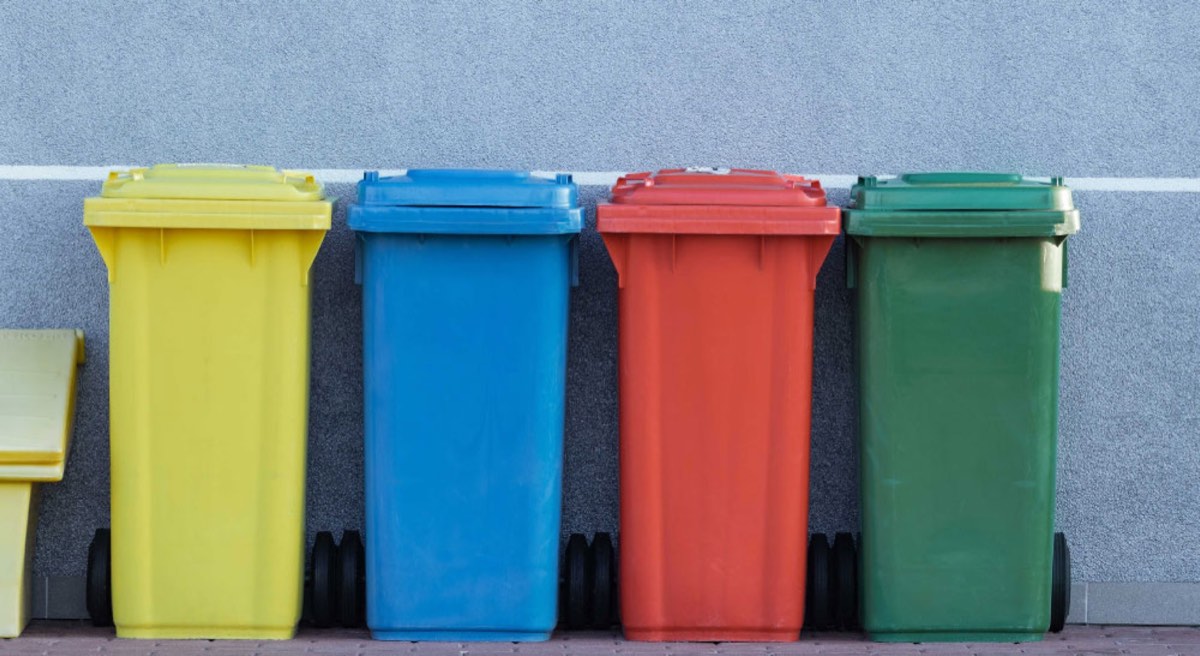
Although separating garbage before throwing it away is something that should be done. But many people still consider it unimportant and see the garbage problem as a distant matter. But actually, the garbage problem is closer than you think because Thai people create an average of 1.14 kilograms of garbage per person per day. (Information from 2016) If you calculate the current Thai population of nearly 70 million people, it can be considered a huge amount of waste. And if calculated in months or years, the amount of garbage will multiply. Did you see how much there was?
Today PROP would like to present a method that will help reduce the waste that we create together every day. But first, we have to get to know the things around us. When it becomes garbage, what types are it classified into?
Hazardous waste
Waste that contains or is contaminated with various types of hazardous substances is found in approximately 3% of the amount of waste, but has a significant impact on health and the environment. Must be managed properly before discarding Hazardous waste contains contaminants. Affects health and life, causing cancer and many serious diseases. Burning hazardous waste or e-waste causes heavy metals to spread into the atmosphere and accumulate in the food chain. Incorrect landfilling or simply storing it at home also has a negative impact on health and the environment.
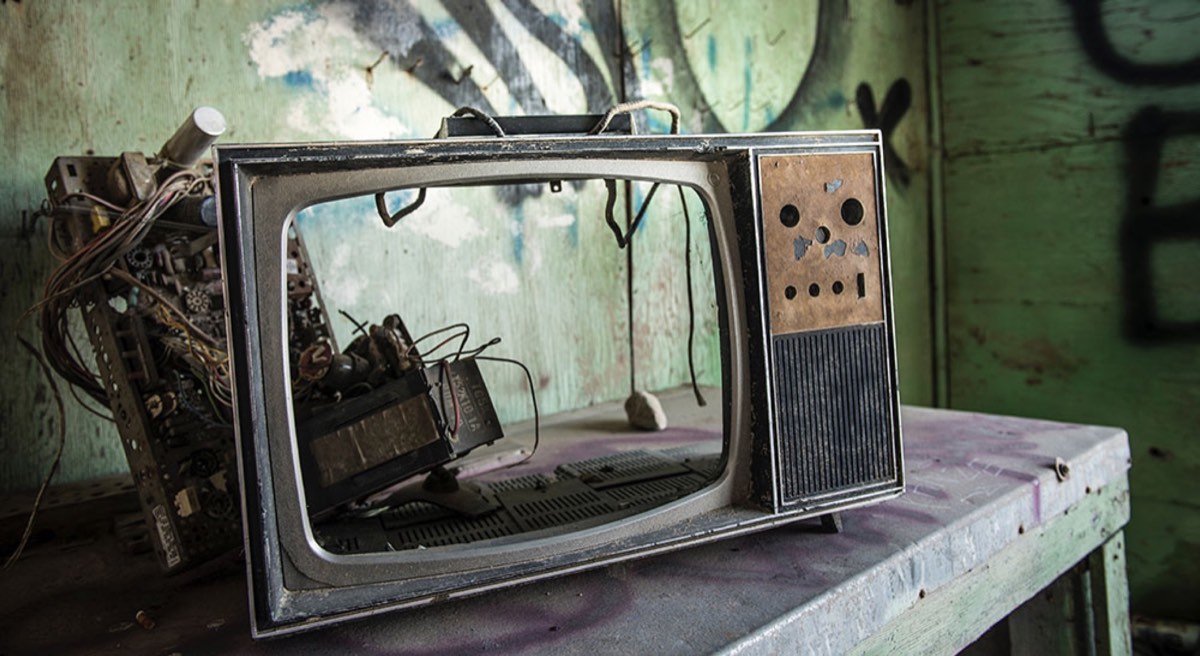
Electronic waste (E-waste)Classified as hazardous waste But if the parts are separated and managed well It will become like the mineral in the house. Because it is full of precious metals Almost everything can be recycled, from nuts, circuit boards, CPUs, etc. In addition, the waste left over from recycling can be used to produce lightweight bricks.
How to deal with hazardous waste
- Must be disposed of separately from other types of waste.
- Collect in plastic bags, tie tightly, and dispose of in hazardous waste only.
- If there is no hazardous waste. Collect them and put them in a plastic bag before throwing them away. It states on the front of the bag that “Hazardous waste”
- If there is a lot of it, you should contact the agency responsible for waste disposal or the local government organization to pick it up and limit it properly.
Liquid hazardous waste
- must be separated by type, not mixed together because chemicals may react.
- Place in a container that does not leak, in the shade and out of the reach of children.
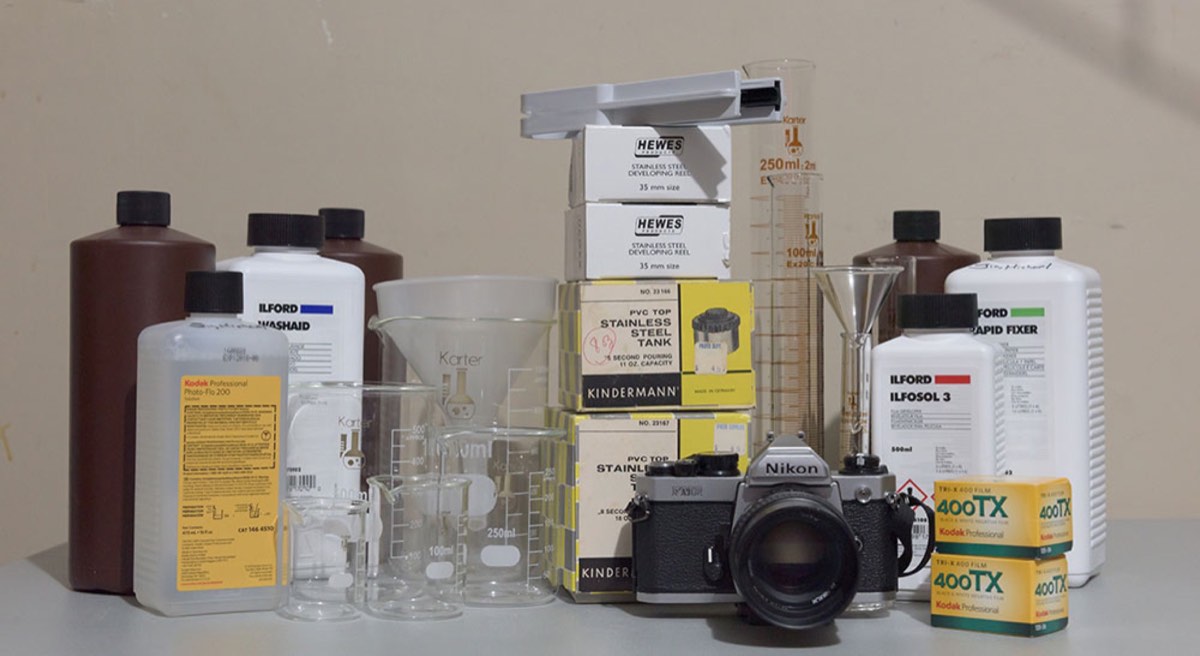
Hazardous waste must be separated and protected from breakage before being discarded. Because of the risk of contamination Severe impact, such as fluorescent lamps, flashlight batteries, all types of batteries. Chemical containers such as spray paint cans Containers for pesticides or weeds, printer ink cartridges, explosives, flammable materials, toxic materials, corrosive materials Objects that cause irritation All kinds of objects, whether chemicals or anything else that may cause harm to people, animals, plants, property, or the environment Electronic waste such as computers, mobile phones electrical appliance etc.
organic waste Or biodegradable waste
Bthat is putrefactive and decomposes quickly. Can be composted such as food scraps, meat, animal bones, egg shells, fruit peels, twigs, leaves, etc. Found up to 70% of the amount of garbage. Solid waste has decaying organic substances mixed in. It is a breeding ground for disease, a vector that causes harm to humans and the environment.
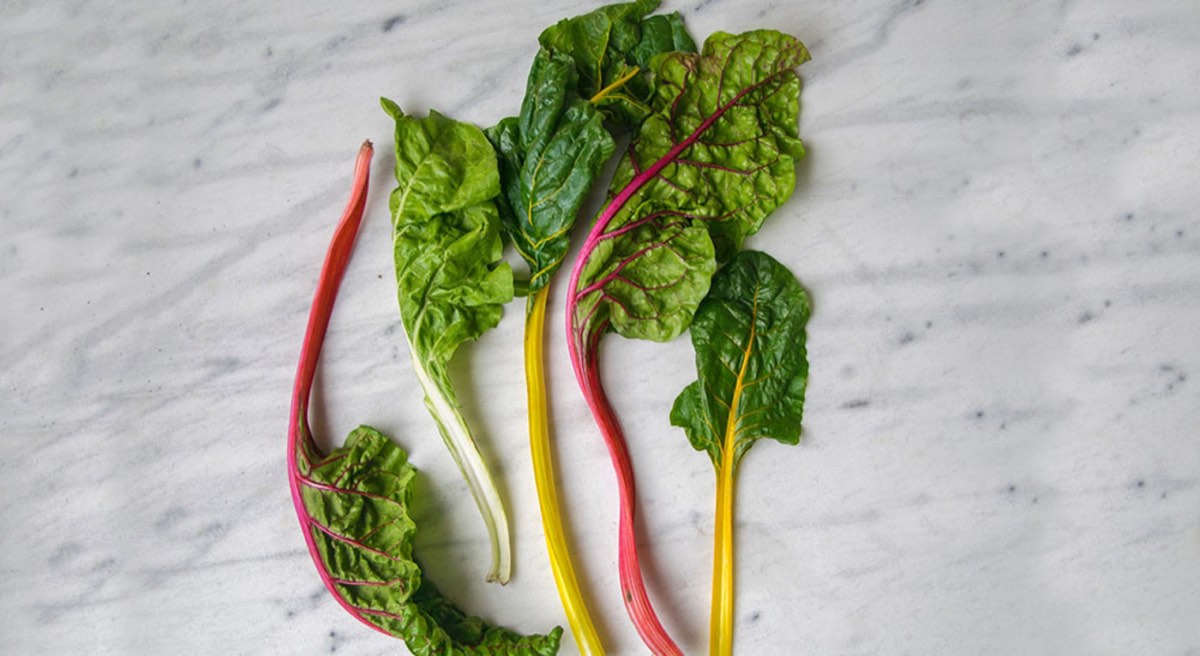
How to deal with organic waste
- Extract water as much as possible. (Or as dry as possible)
- Wrap/wrap in newspaper before discarding.
- Do not put in plastic bags for disposal. Because it is difficult to separate
- separate the liquid and solid parts because it causes moisture. High risk of contamination
- used vegetable oil Put in a bottle or container Separate the trash from other waste so as not to make the trash in the pile dirty. and difficult to manage You should absolutely not pour it into the drain. Because it is an important cause of clogged drains and has a negative effect on the ecosystem.
General waste
Other types of waste It is difficult to decompose. Not worth reusing e.g. Plastic wrap for snacks, candies, instant noodles packets Detergent bags/sachet, plastic bags, foam boxes, food stained foil, black bags, food wrapping film paper coffee cups Melamine plates and bowls, toys, dolls, animal skins, etc. Found approximately 3% of the amount of waste.
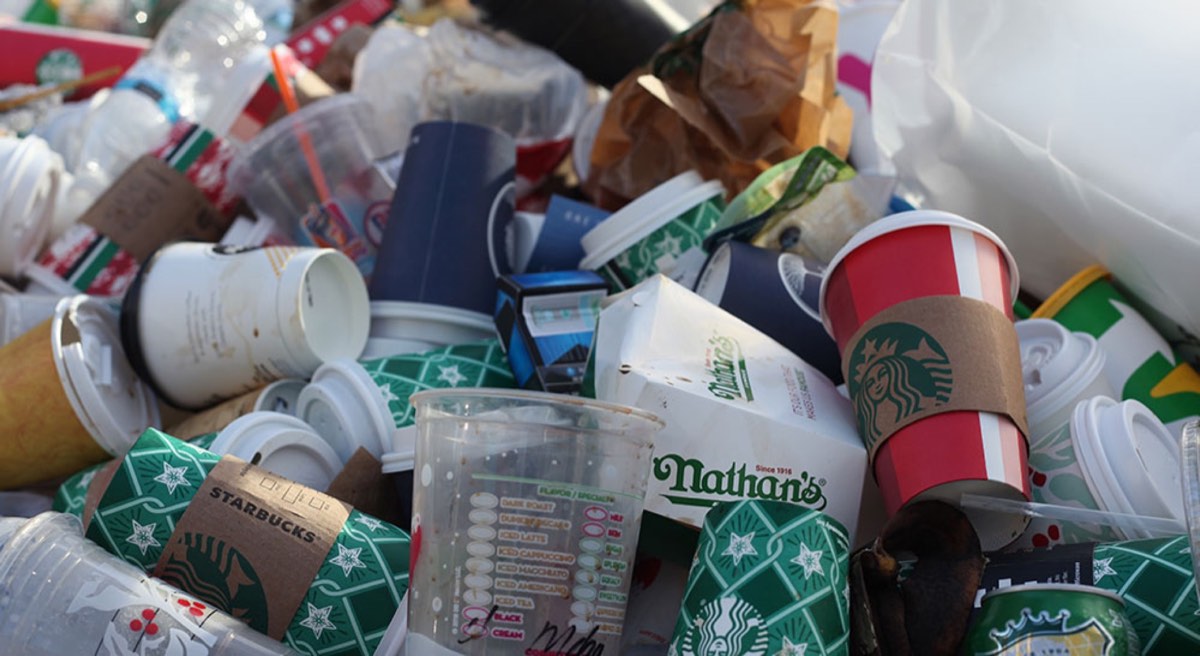
How to deal with general waste (Cannot be recycled)
- If soiled, wash before discarding.
- Separate metal parts
- Place in separate bags. Throw it into a general trash can
- if there is no separate trash can. The front of the bag should be clearly stated as to what is inside
Recyclable waste.
Garbage that can still be reused They are processed into raw materials in the production process. It is found to be the 2nd most common or approximately 30% of the amount of waste
recycled waste. You should clean it before throwing it away. Place it in a separate bag. Show the front of the bag clearly. If recycled waste is separated, it will be sold at a better price. The efficiency of the recycling process depends on separation at source. The cleaner the trash, the more efficiently it can be recycled. Therefore, each time you throw away garbage, you must think before throwing it away. Because recycled waste is more valuable than you think, such as glass, paper, plastic scraps, UHT beverage boxes, beverage cans, metal scraps, aluminum, car tires, etc.
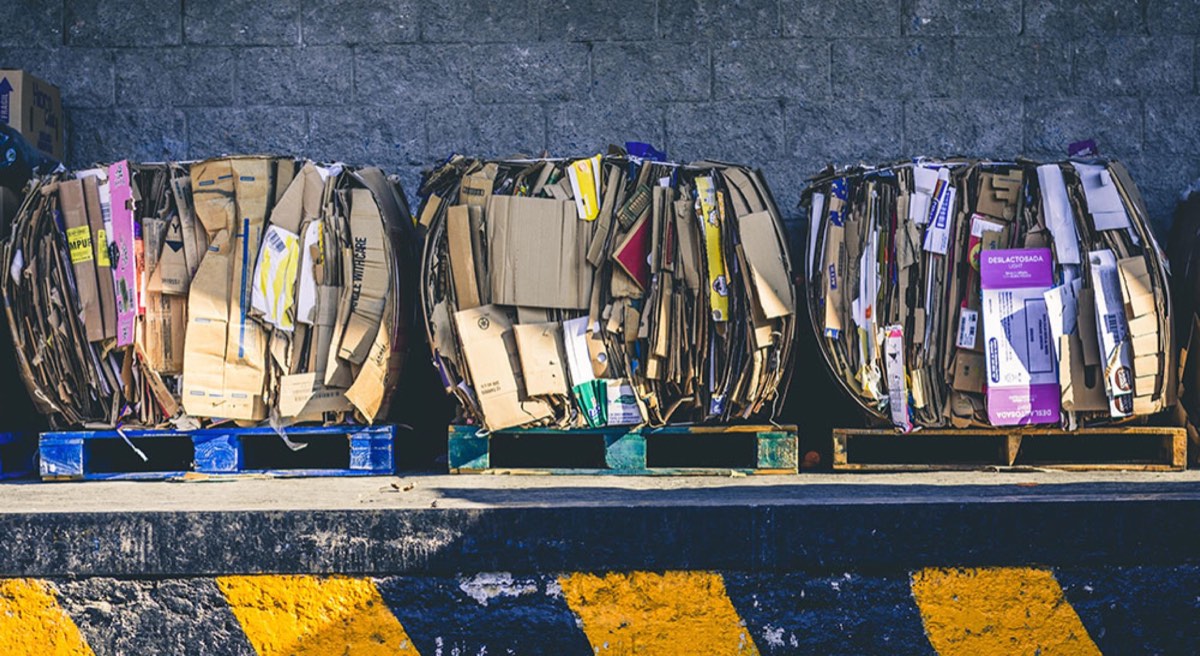
In addition, recycled waste can be modified. or can be further used to bring many benefits The waste separation system in Thailand is not efficient. Lack of separation of waste at source Resulting in less than 20% of the total waste being recycled. Therefore, separating recyclable waste from other waste will help bring more benefits to the country than you think.
Tips of knowledge How to handle cooking oil
Pouring into the drain is a major cause of clogged drains. Plus it has a negative effect on the ecosystem. Used oil may be reused one more time (reuse) or processed (recycle) to add value. But proper management is required as follows:
- Leave it to cool.
- Filter and put in a container. Using a food scrap filter Filter out all dirt and food scraps.
- Place in the freezer. or store in a cool, humid area Let the oil harden. It is easy to throw it into the trash.
Conclusion
Not creating waste is the best answer, but it is difficult. Therefore, “sorting waste at source” properly. is the heart of the solution that will help the waste management system be efficient. It is also convenient to store. Reduce recycling costs In addition, some types of waste can also be used to add value.
Illustrations from the internet
Information from the exhibition “GO Zero WASTE, a new life without waste” and Facebook page. Greenery