
Updated guidance from WHO and the AAP
WHO recommends no screen time under age 1, and at most 1 hour a day for ages 2-4. For older children, the American Academy of Pediatrics recommends a personalized "Family Media Plan" — e.g., no screens in bedrooms and a screen-free hour before bed.
Using a smartphone, tablet, or television screen to raise your child is something that many new parents like to do in order to keep their baby calm, not crying, not mischievous. But that is a serious disadvantage to your child.
We can't deny that it can be difficult to keep your little one from messing with the square screen. The choices that parents can make are Teaching children to use smartphones correctly Instead of neglecting and not knowing the fate
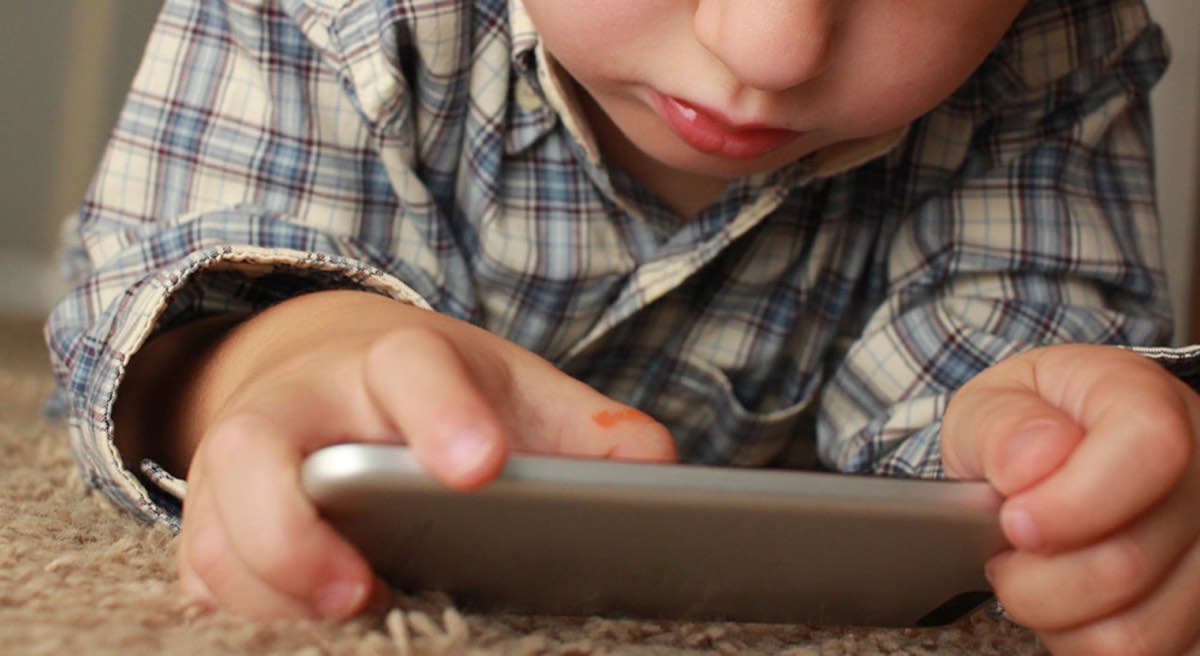
What makes most parents feel weak is the "crying" of their baby. When they don't want their child to cry, they quickly respond by taking a square screen and stuffing it into their child's hand. This is the wrong method.
According to the study of the emotional effects and violent behavior of the American Academy of Pediatrics It was found that violence seen on television screens and various media. It is increasing day by day and has a harmful effect on children. Because it will cause children to accumulate emotions of fear, anxiety, doubt, insomnia, nightmares, or depression and be more likely to act violently. Parents should therefore be careful about consuming media through television screens. or various electronic screens The best way is to encourage your child to get out and move their body.
How to deal with a child who calls out to a smartphone
What parents should do is to let children learn about anger, anger, and being offended, but must do it in a way that does not use violence against the child by Dr. Amporn Benjaphonpitak Psychiatrist and Deputy Director-General of the Department of Health He gave the following advice:
- When your child cries out for a smartphone or tablet draw the child's attention by inviting him to do other activities, such as drawing, dancing, taking the child outside. Or invite them to play simple sports, which parents must be firm in their actions continuously.
- Use screen media with children for just a short time. Any such as Change from watching video clips Or play games instead of reading E-Books and children should not be left alone. Because reading from a screen is not like reading from a book. and should not be used frequently to allow children to control their emotions Know how to wait The use of screen media should be under the supervision of parents.
- Manage time to care for children to receive love and warmth.In young children under 3 years of age, it can be difficult to control their own emotions. Therefore, screen media should not be used. But in children who grow up and know how to wait Control your emotions Parents can let their children use smartphones or tablets. But must be under the care of parents
- Parents help in learning by considering their children's readiness. Is it appropriate to use screen media or not? And respect for time should be inculcated to have ready social skills. Do not support media that contains provocation or violence
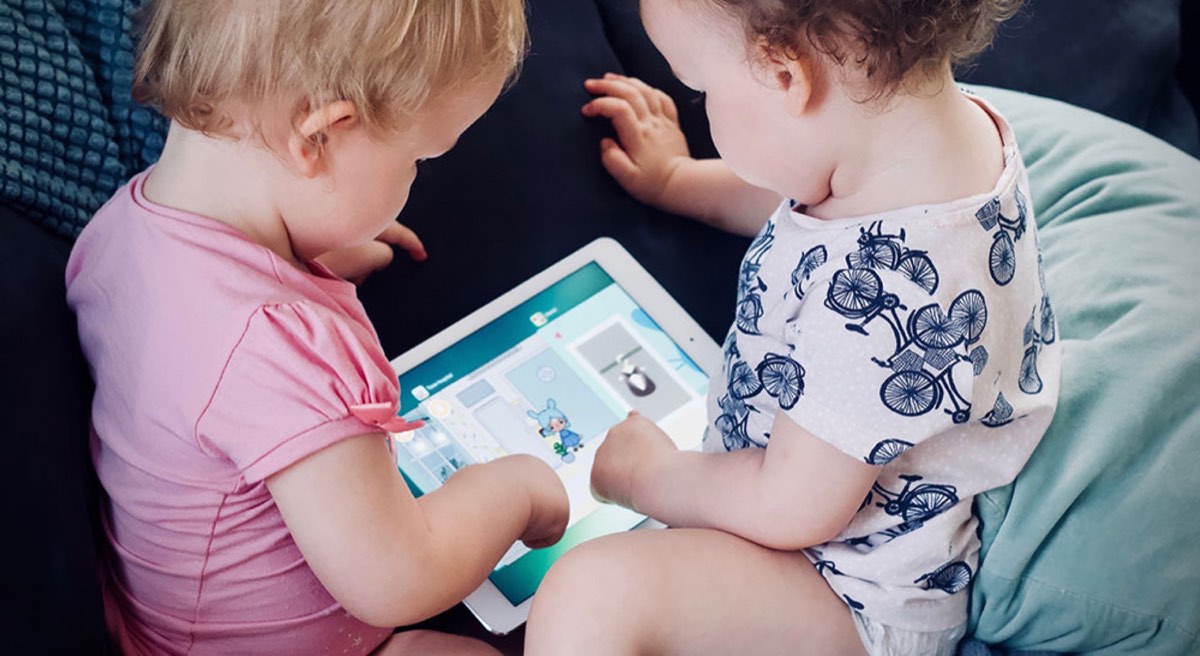
, although prohibiting children from being exposed to screen media is the best solution. But when the day comes that he grows up, he should learn to consume media properly. The starting point for parents to use screen time is to sit and watch together with their children and follow the advice and tips of the 4 Golden Rules for children as follows:
Teach children to use the screen beneficially
- Teach them to recognize the difference between real people and characters
Parents must teach them to recognize the difference between characters and real people. It is the first step to teaching your child to differentiate in order to keep them safe from the dangers of watching television. and electronic media - teach the difference between real stories and fictional stories.
Some programs can be used to teach children to learn about the real world and the imaginary world, such as programs that tell stories with pictures. or puppet theater for children But parents must tell their children when this is true. Which period is imaginary? This step is a continuation of the teaching from the first step. Because after children can distinguish between characters and real people He should also know the difference between real stories and fictional stories. - Invite your children to watch appropriate programs
Parents need to find techniques to draw their children's attention to watch programs that are appropriate for their age. Inviting children to look at things they should look at while sitting together, such as: Do you see a bird? Is it cute? / Look at that monkey. Eat a big banana, etc. Doing this will make children familiar with the advice or invitation of their parents. and make him interested in what we choose to offer You can also control the quality of television programs that your child should watch. - Control the turning on and off of televisions, smartphones, and tablets.
House rules and clear time limits for watching television and playing with electronic devices should be made when the child is still a small child. For example, when the program ends, you should hold the child up to the screen and say, “It's better to turn it off when it's over.” When we press the turn off button, we teach children to watch television for a certain amount of time. Don't be too obsessed with the screen. This method can be used with other devices as well, such as determining when and how much your child can play. To practice basic discipline
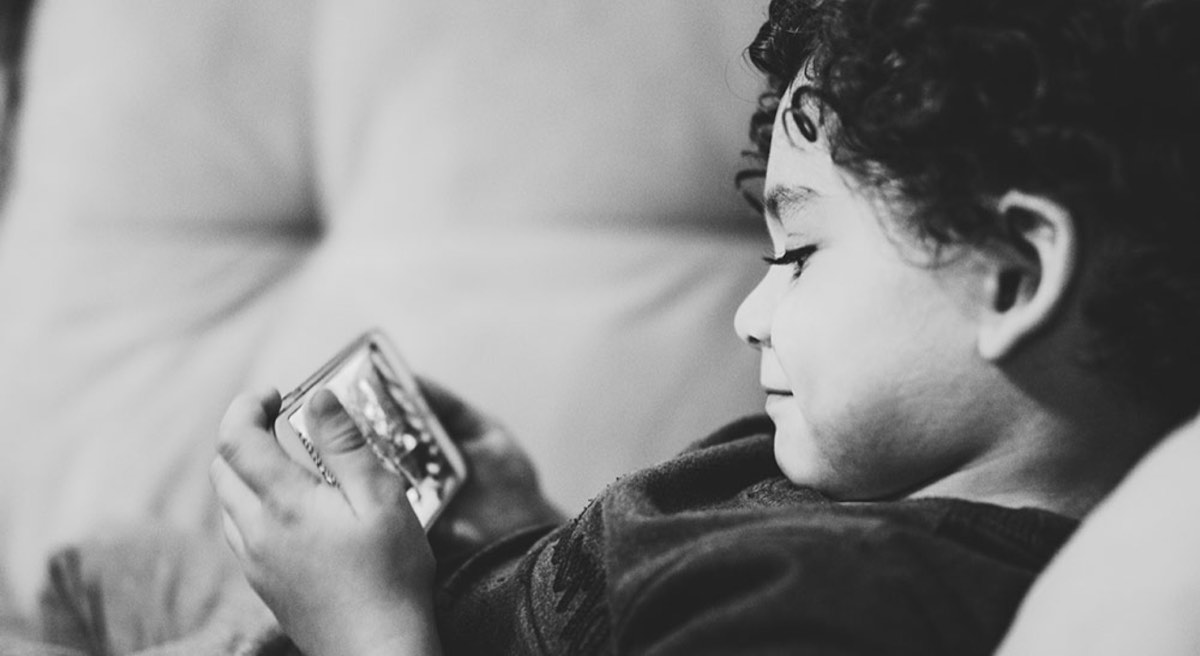
when children reach the age where they can consume media. Parents should also limit access to their children. In order to prevent children from consuming inappropriate media, they should not
What kind of media or programs should children not watch?
- Dramas, love, jealousy, sadness, tears, sexual harassment Think about it. Just everyday events alone can cause you headaches. Do you still have to sit and watch simulations created to present an over-the-top emotional war?
- episodic movies, series, and movies are thrilling, violent battles.Most of the movies are from foreign countries. Especially stories about police, war, detectives, or the passion for murder that cannot escape the murder scene. Explosive or gruesome images which affects children from the time they are crawling Because the character's expression is sullen or has a threatening or shouting behavior, it will make the child start to lose his mind. scared and crying When he sees them often, those images will become embedded in the child's head, causing them to have frightening fantasies.
- Movies with close-up shots Faces of actors on television have an impact on children. Because young children like to see smiling faces. But if you see a face that is gloomy, eyes wide open, a face of a terrifying ghost, or a face that expresses an unusual emotion These images will cause children to become fearful for no reason. Or they may become desensitized to the pain and devastation of others. This causes a lack of learning about empathy. Or helping and supporting each other between fellow humans
- Programs with loud and violent sound effects Some shows may not be toxic. But there may be toxic sounds, such as the sound of a doorbell or bell for a long time, the howls of demons, car sirens, or whistles, etc. These sounds can cause children to be frightened and cause chaos and confusion.
The important thing that parents should do is Setting passwords for computers, tablets, and smartphones to prevent children from playing or downloading programs as they please. Teaching your child to learn and create good habits around screens is not difficult. But you have to start polishing it from a young age. AndParents should also be good role models for their children. Because adults themselves are the favorite television programs that their children follow the most.
Summary
What if children Growing up with various "messages" sent through screen media that included arguing, cursing, being angry, obscene, or hitting and stabbing. What we can do to protect children and youth who will grow up to be adults in the future is to teach them to recognize and understand media. To develop media literacy skills and be able to distinguish reality from fiction in the content To grow up to be a complete adult and have good mental health in the future
Illustrations from the internet.
Some information from Sook Publishing
Seminar on the topic “Creative media dimensions towards a healthy society”
Article 'ACP' helps pull Thai children away from the screen.andWarning!! Children addicted to screens are `pseudo-autistic'
Sources
Information updated 24 September 2026.