

Quick summary
This article shares humanizing perspectives on prison life — it is not an official statistical report from the Department of Corrections.
Towering walls and barbed wire fences surround it. It is the appearance of a "prison" in the eyes of people in society. that separates a clear distance between people in prison and outside society To the point that those who live behind the wall forget what real society is like. And when he came out again, he had to face many viewpoints. That views people behind walls in a negative way
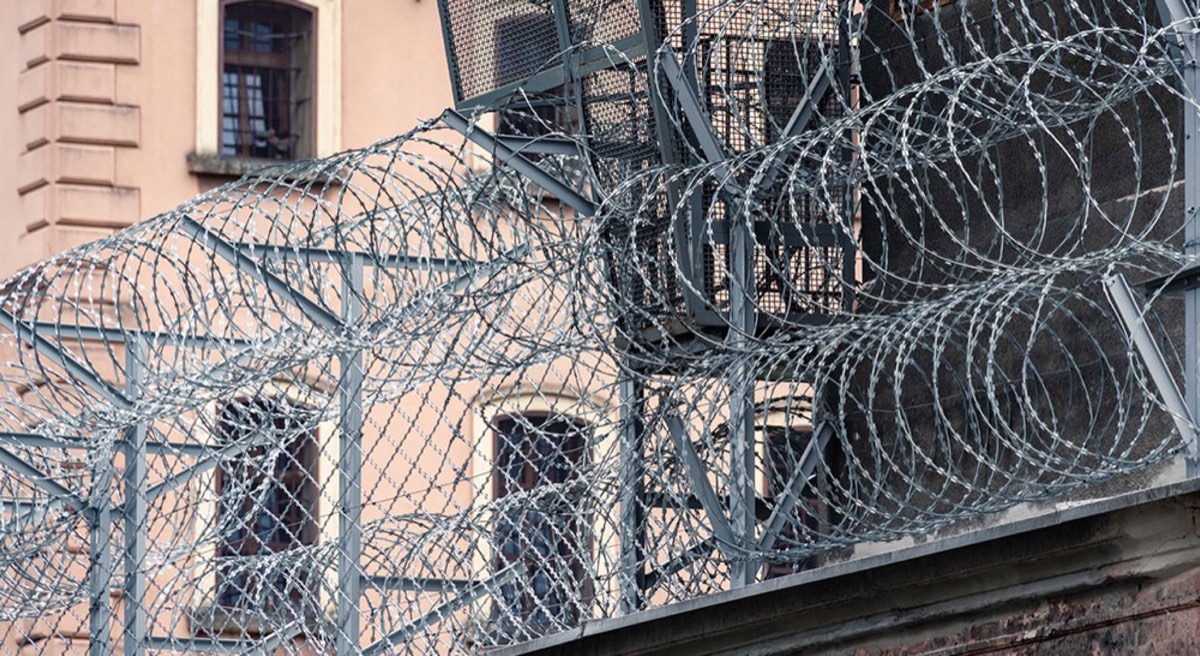
Stories from a doctor who used to be in prison
“...Many people view people in prison as scary people, having problems, and shouldn't be given a chance. It is evident that the announcement of the pardon caused a stir in society. The problem is not in the release. But it depends on people's attitudes..."
Dr. Suraphong Suebwonglee, as a doctor who used to be in prison, said that at least 80% of those in prison should not be there. is a person who has not committed a crime But due to the regulations of the law, there is no choice. Or a court decision that can decide in a different way. For example, some doctors were sent to prison for more than half a year just because they paid a bounced check.
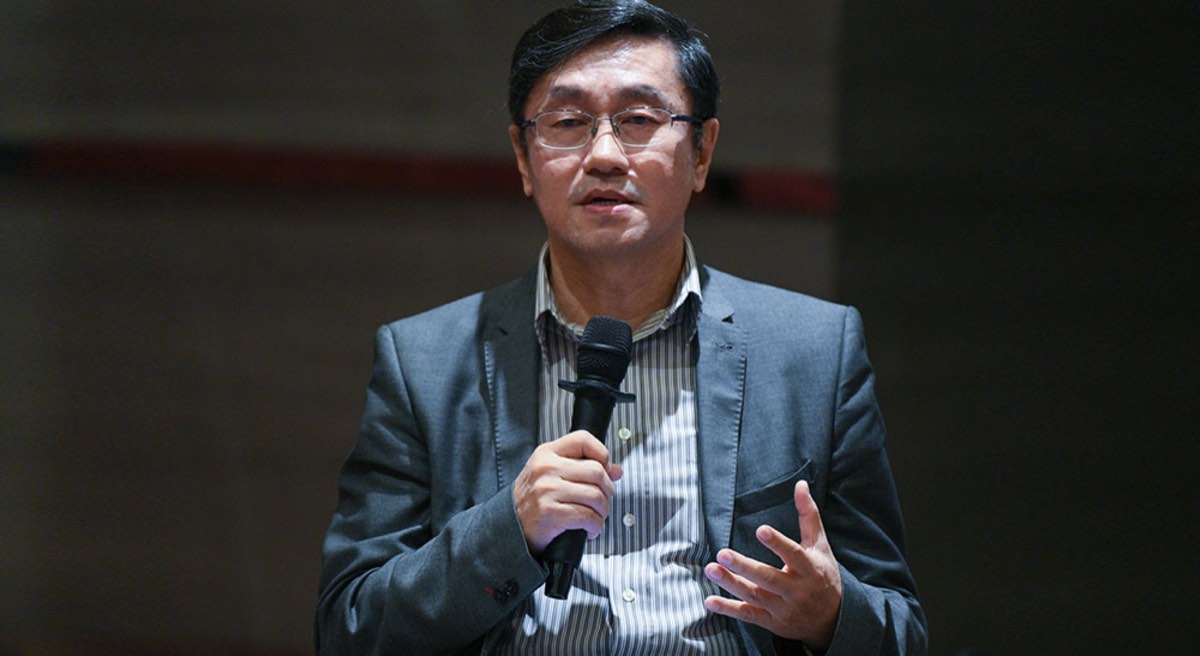
In fact, if we analyze the appropriateness, we should adjust the punishment method. This may be through monetary adjustments or using electronic bracelet technology. and choose to send people to prison only if necessary or to prevent danger that may occur to people in society
Dr. Surapong explained that prisoners could not use their health-coverage rights tied to outside hospitals because the information systems were not connected. Some visiting doctors also lacked compassion, examining patients from a distance—for example, shining a flashlight toward a patient's mouth without approaching closely.
Reflections from the visit
“The large number of people entering prison reflects structural problems and social inequality that prevent people from living with ease and dignity. Many are pushed by society into committing offences that bring them into prison.”
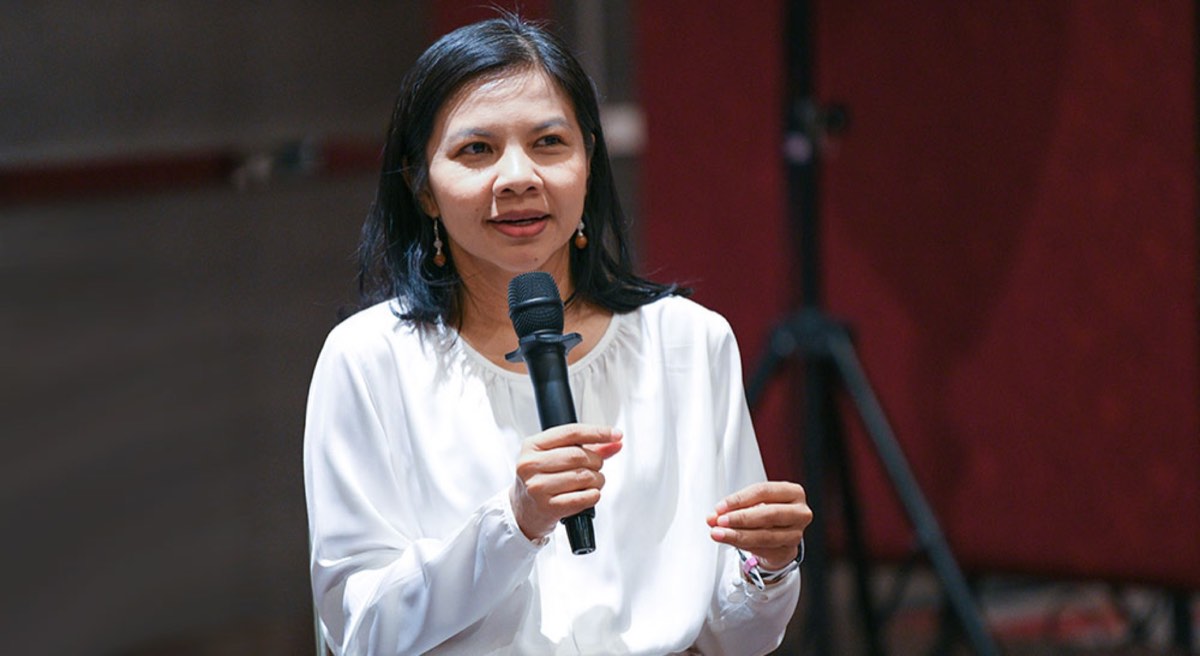
Supinya KlangnarongAs a media worker who visited a prison friend, he explained that those who commit minor crimes do not deserve to be in prison. Because it affects the entire chain of society, such as in the case of the person who becomes a father. Resulting in the absence of the head of the family. or the person who becomes a mother There will be a lack of people to care for the children. Even though the husband actually committed the crime, the wife who was with him at the time of the incident was found guilty as well. As a result, the child lacks someone to care for and train him. Children grow up in poor environments. Affecting each other in a cycle and possibly entering into a chain that may commit crimes following in the footsteps of the parents
“...This does not mean that the offender should be released or neglected. But in many cases they should not be punished by imprisonment..."
Stories of women from prison
“...return good people to society. But the practice in prison is not like that. The guards subjected the prisoners to condemnation. Should not come out into society and was branded as a prisoner..."
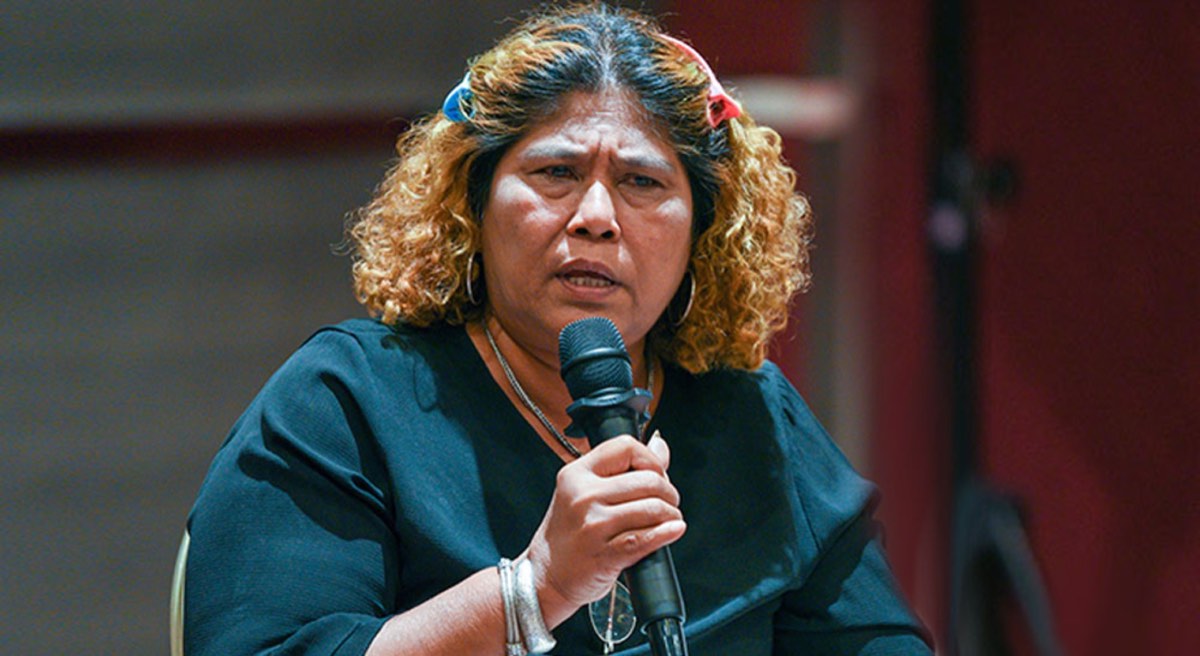
Khun Jintana Kaewkhaohuman rights activist Villagers who were previously in prison Tell the experience that Many things you see can change. Regardless of the behavior of the guard ordering the prisoner to kneel. or the blanket punishment of scotch jumping Sending people off for treatment at hospitals in prison uniforms. Or the condition of the bathroom with only a chest-length divider when squatting.
“...Don't think of prison as a place where people must be reviled. Many people did nothing wrong but were reviled and condemned and were unable to return to being good people in society again..."
The problem of life behind the wall is not finished no matter how much you talk about it. But if we adhere to the principle or way of thinking of making people's lives in prison no different from life that is as normal as outside. Providing services according to the basic rights that everyone should receive Because living in a crowded and strictly controlled environment in a prison is punishment enough.
Regardless of legal and social status. But as a human being and is part of the Thai population Everyone deserves fair health according to basic health security rights as well.
Summary
Living in a prison cut off from the outside world Lack of connection or integration As a result, when they come out into the wider world, they may not be able to adapt. Feeling lost, having nowhere to go, suffering from depression. without relatives or friends Society doesn't accept It is a cruel thing and can be called a process of returning good people to a failed society. causing them to commit crimes again
Illustrations from the internet.
Some information from the seminar “Different views on Thai prisons: what is seen and what should be” by
Dr. Suraphong Suebwonglee, as a doctor who used to be in prison.
Jintana Kaewkhao, local human rights activist who used to be in prison
Supinya Klangnarong as a media worker who went to visit a friend in prison