
Update before you travel
Ticket prices, opening hours, and activities at Safari World can change — check the official website for current details before you go. This article reflects the year it was written and may not match current conditions.
Safari World, a zoo that simulates environments from the grasslands and jungles of Africa. Open for more than 30 years, a source of various kinds of wildlife. including zebras, giraffes, deer and many types of birds. that allows visitors to drive their own cars or use the safari coach service To experience closeness to the simulated habitats
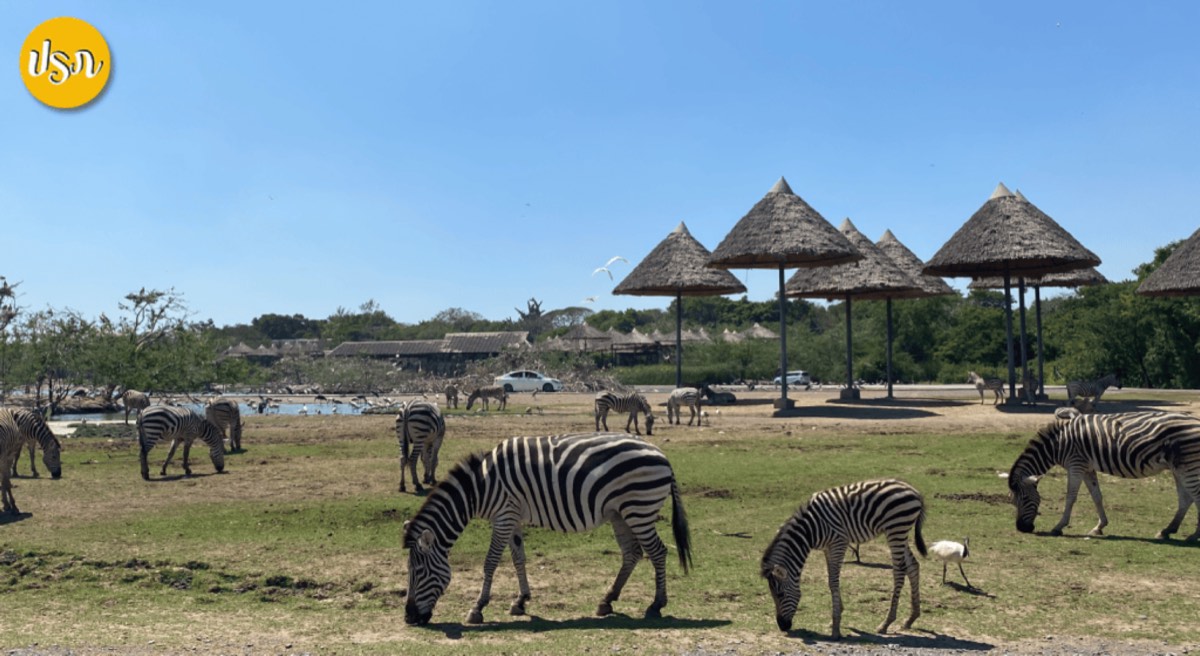
Safari World is divided into three large zones: Safari Park (Safari Park), Marine Park (Marine Park) and Jungle Walk (Jungle Walk)
- Safari Park Visitors can drive their cars and visit the simulated atmosphere of the environment where different species of wild animals live closely.
- Marine Park A place to watch various animal shows that can be viewed in various ways from morning to evening
- Jungle Walk New zone that allows visitors to get closer to the animals Whether it's feeding the giraffe Walking through the middle of the tiger cage etc.
Safari Park One of three zones of Safari World It is the first open zoo in Thailand that simulates the living conditions of wild animals so that they can live freely. free from cages and allow people to get closer with their personal cars Including going into the tiger and lion forest. which is an experience that cannot be found anywhere else
For admission to the Safari Park Tickets can be purchased at the entrance. It is calculated individually at 450.- per person, but if purchased together with tickets to enter other zones will get a cheaper price (Recommended to update promotional prices on the website or Facebook)
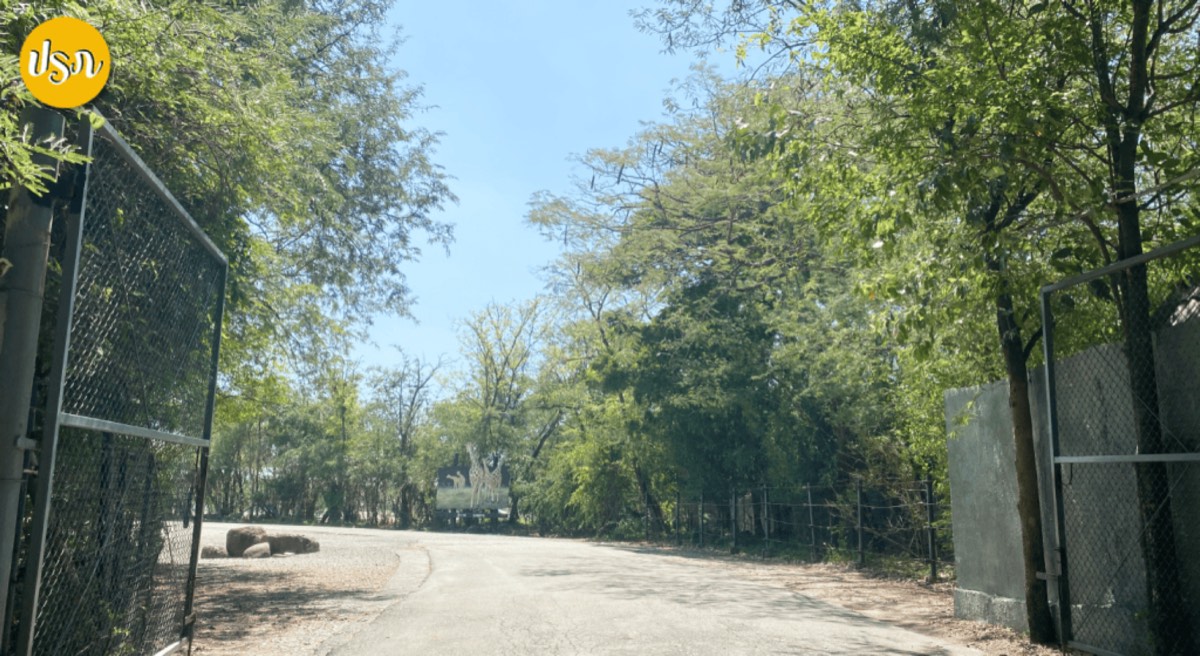
The entrance will be a large door wide open for cars that are prepared to view the animals up close. The first stop has a sign that says "Giraffe" but actually there are only zebras because the giraffes are arranged in another zone where visitors can feed them up close.
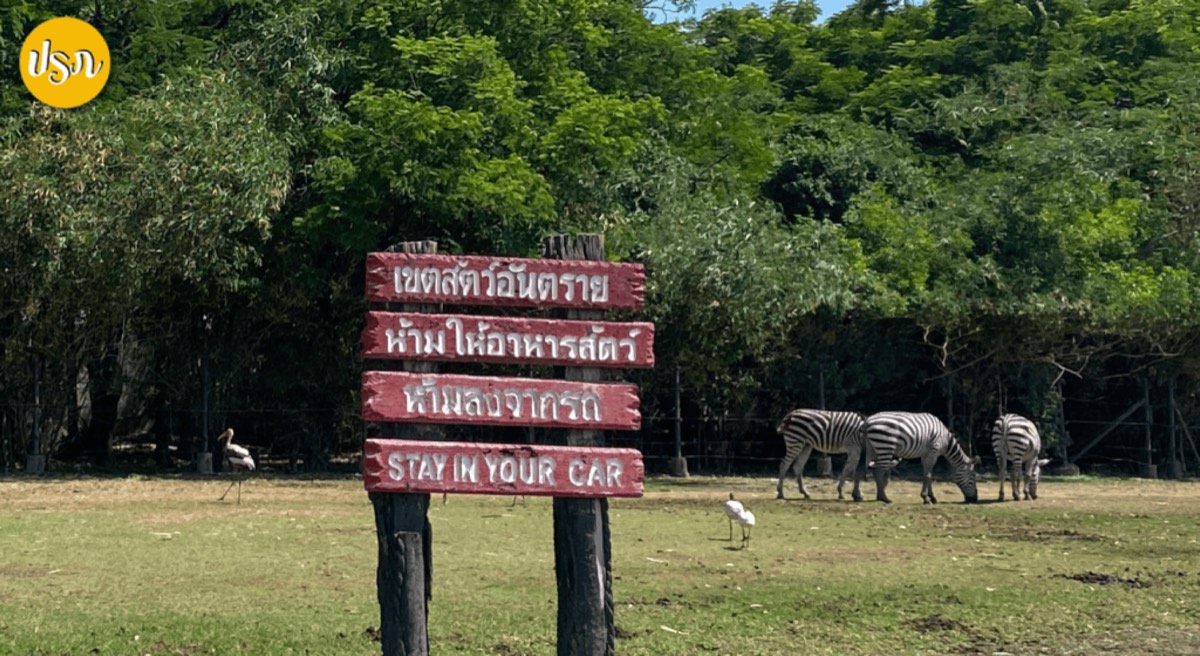
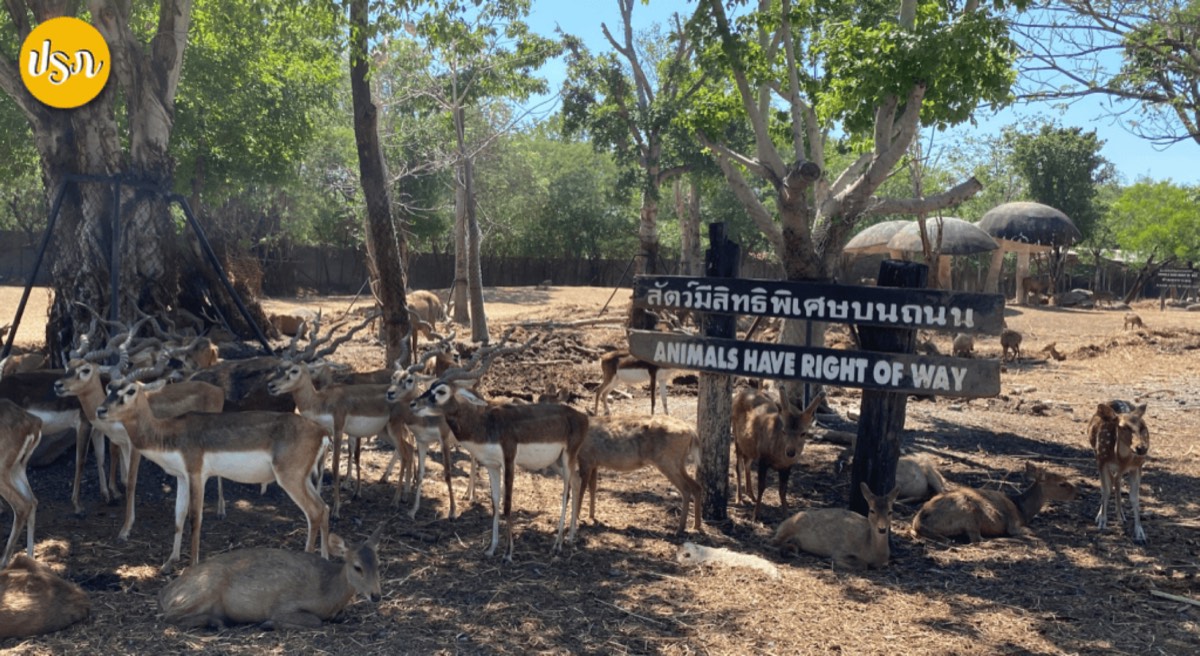
During the tour, there will be signs of each type of animal listed. But it's often not accurate because this is an open zoo. allowing animals to move around In addition, prominent signs that serve as warnings along the way will be signs prohibiting getting out of the vehicle. Do not feed animals In fact, it is not intended to protect humans from harm. But it is there to protect animals that might be contaminated by humans.
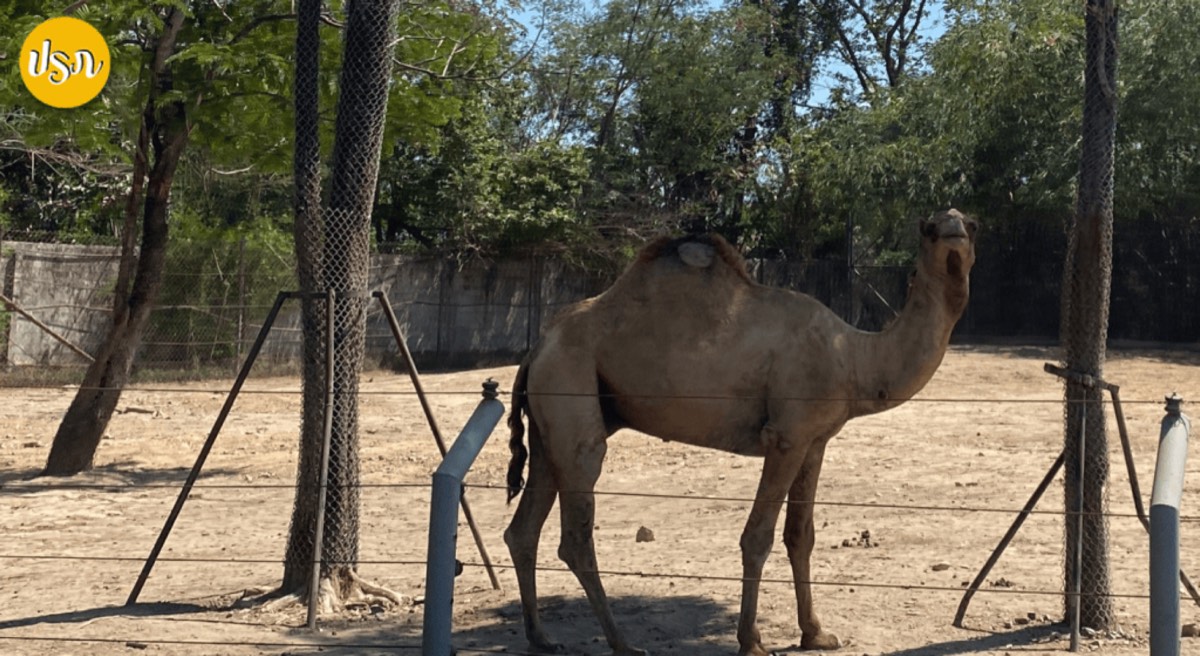
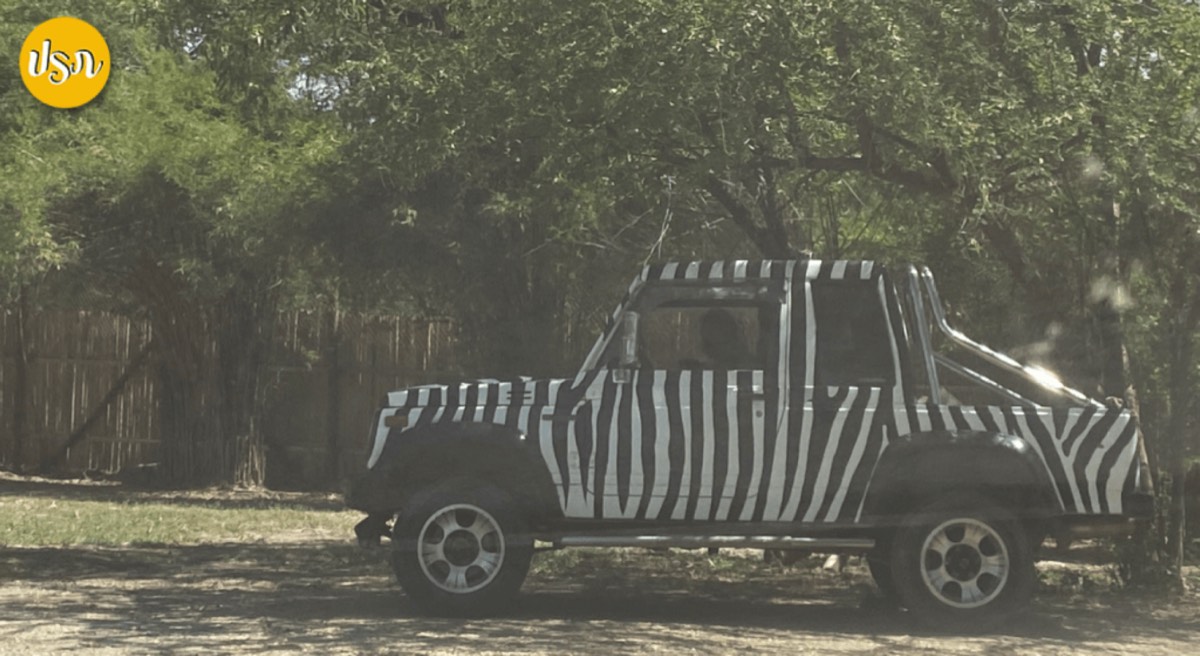
Some areas of this zoo are fenced off because the animals can be dangerous to themselves, to visitors, and to other species. Even though there are officers on the zebras keeping watch at various points, preventing dangerous incidents to various animals It's something that should be done.
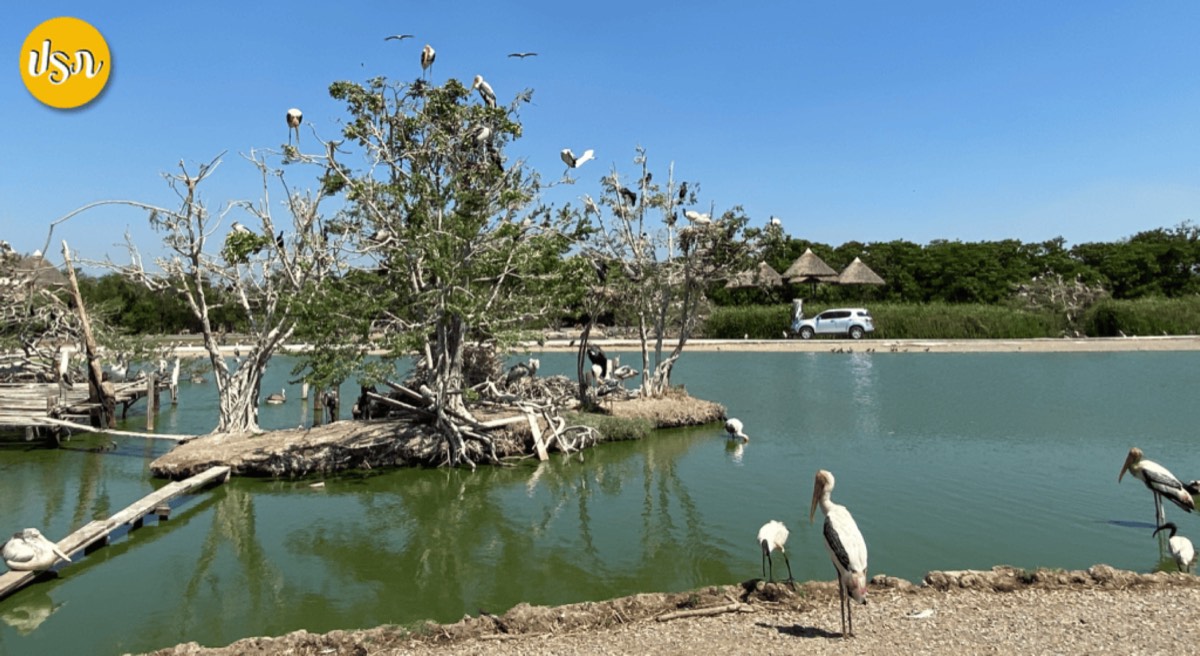
Most areas of the zoo are open. This safari park The environment has been arranged to be similar to the real environment of many species of animals, causing birds that even have wings to not fly away because they know that this area is fertile. And there are also some foreign birds stopping by to see
Another sign that stands out and is unavoidably eye-catching. “Animals have special rights on the road” that drivers must be careful of. Don't drive too fast. Do not honk the horn to make a sound that may startle the animals. And special rights must be given to all animal species in this open zoo
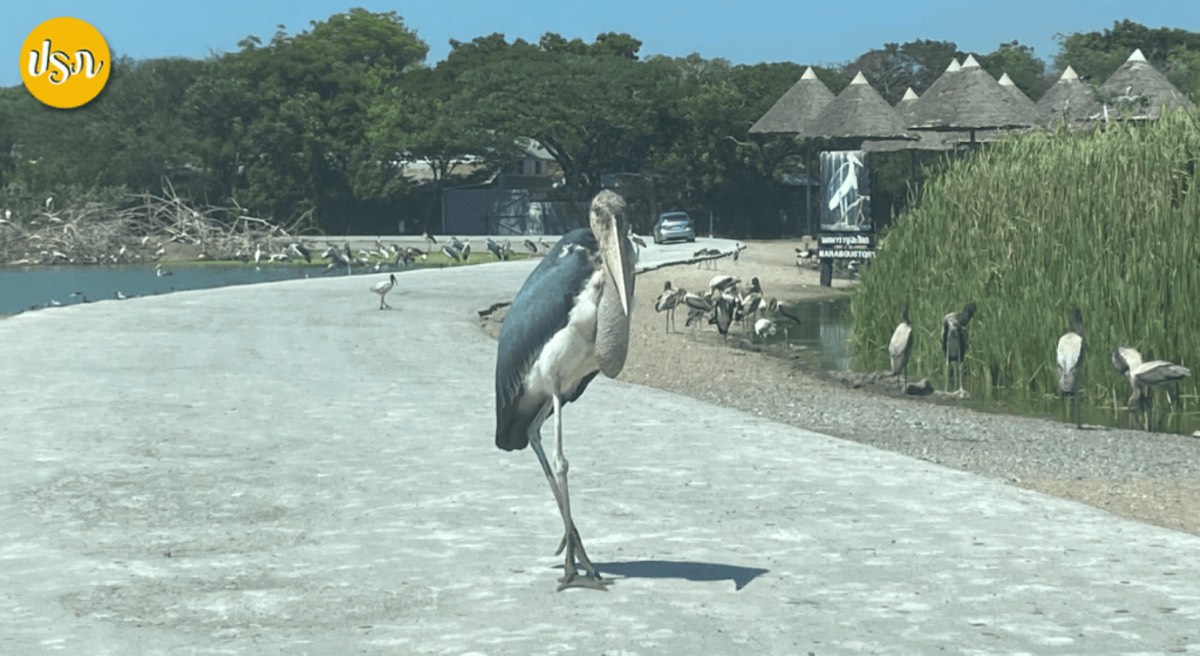
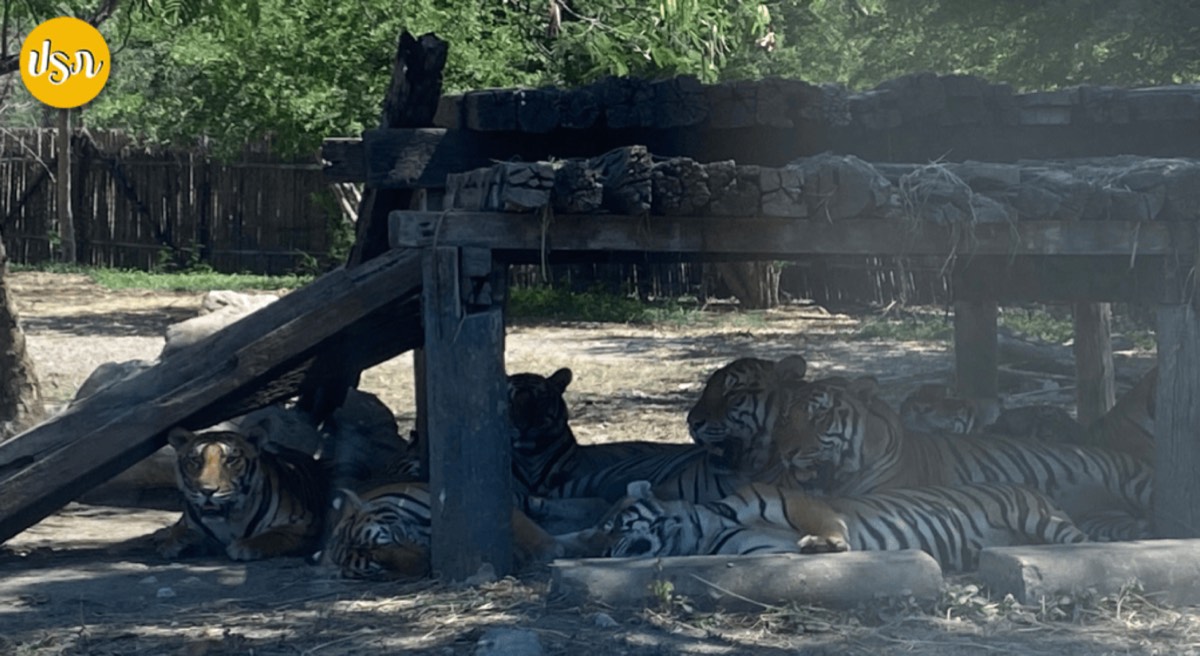
Apart from wild animals, There are also lion and tiger zones that are separated and closely monitored by staff. If anyone comes early, they will be able to watch the feeding show of these animals. which is another interesting activity Because in the afternoon the lions and tigers rested under the shade of a big tree.
Apart from the animals mentioned above, There are many other animals waiting for readers to stop by and visit. The Safari World Open Zoo is open for visitors every Monday to Friday from 9:00 a.m. to 4:30 p.m., Saturday and Sunday from 9:00 a.m. to 5:30 p.m. and most importantly, in addition to the Safari Park zone, There are two other zones that are worth checking out.
Sources
Information updated 24 September 2026.