

Updated guidance from Thailand's Department of Disease Control
Thailand's Department of Disease Control warns that flu, pneumonia, and diarrhea rise during the cool season — wash hands often, dress warmly, and get an annual flu vaccine.
“...the cold never bothered me anyway” is a line from a Disney song that has been recorded in languages all over the world. It has won many awards and has been recognized in many countries. In the Thai version, the song is sung by Kam Wichayanee Piaklin. In this part, she sings, "...the cold doesn't cause us much trouble" which may be in contrast to the weather conditions in Thailand which don't know the word "winter" causing them to neglect to take care of their own health when the cold wind blows through

Thailand is close to the equator. It is considered a tropical monsoon zone, causing the weather to be different from other parts of the world. In Thailand, many people often say that Winter doesn't really exist and the cold has never caused much suffering to Thai people. Is that true?
One part of the song Let's it go “...the cold doesn't cause much trouble.” This may resonate with many people because most Thai people rarely experience cold weather. Except for some areas in the northern region and the northeastern region that has suffered from the cold weather But thatdoes not mean that other areas Thailand clearly has winter.As a result, many people neglect health care during the climate change period. The cold wind has returned again. It inevitably brings about disease and sickness without us being aware of it. Just because we think “The cold doesn't cause much trouble.”
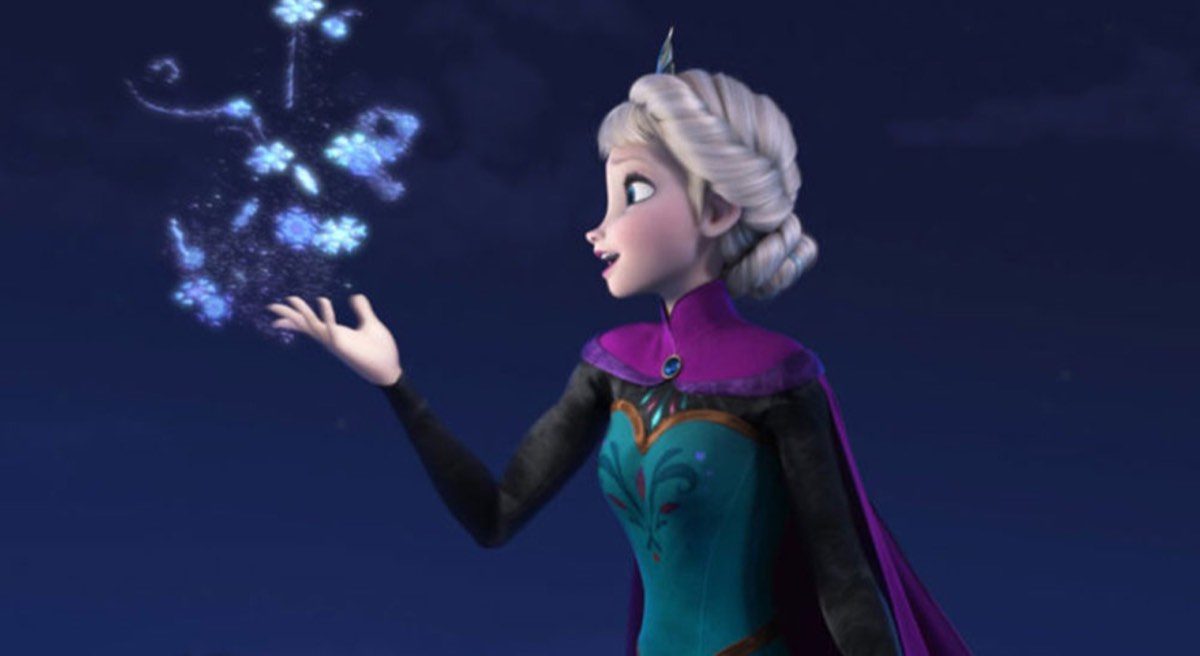
In this article, Prapha would like to present ways to prevent the diseases that come with winter so that you, the reader, can cope with the changing weather conditions.
Cold and Flu
One of the diseases that come with winter is the common cold and influenza. Caused by a virus Contact through the nose, mouth, and eyes. This infection is in mucus droplets. The mucus and saliva of patients who cough or sneeze are released to the public. This disease is not considered a serious disease. Most cases need to be taken care of according to the symptoms and will disappear on their own within 3-5 days. The method of care is as follows.
- Drink mineral water or fruit juice. Drink until your urine is clear. You shouldn't drink too much water. Because there may be a lack of mineral salts
- if you have a fever. Use a damp cloth to wipe yourself. If the fever does not go down, take fever reducing medicine such as paracetamol.
- People with a sore throat may use 1 glass of water mixed with 1 spoon of salt and gargle. Do not blow your nose hard. Because it may cause the infection to spread
- Initially, treat according to the symptoms.that appears , but if it doesn't get better, you should see a doctor immediately. You should not buy medicine to take by yourself.
Currently, there are 2 types of influenza vaccine: a type that covers 3 strains and a type that covers 4 strains, both of which are effective. Even though the flu can go away on its own But some patients, if their symptoms do not subside, should see a doctor. However, no one wants to get sick, so we recommend the following methods to prevent colds and flu:
How to prevent colds and flu
- Wash your hands often. With water and soap
- Avoid close contact with sick people
- Do not share personal items with others.
- Avoid going to crowded places. Poor ventilation
- Close your mouth and nose when coughing. Sneezing or wearing a mask
- When sick, you should stop work. Stop studying, rest at home until
viral infection is cured. RSV
Respiratory Syncytial Virus or RSV is a type of virus. that causes respiratory infections can cause pneumonia, especially in young children.At present there is no vaccine, but you can take steps to prevent infection and reduce the spread of the virus. ByDr. Nakhon Premsri Director of the Office of Epidemiology has recommended the following
methods for preventing viral infections. RSV
- Wash your hands often. Both before eating and after going to the bathroom
- Avoid contact with the secretions of infected people. For example, patients with the flu or pneumonia. Especially premature children and infants in the first 1-2 months of life should not be allowed to come into contact with infected people.
- Avoid touching the nose or eyes with unclean hands. Do not share drinking glasses. And clean children's toys regularly. In the case of being sick, you should take a break. especially students And you should cover your mouth and nose when coughing or sneezing.
- Drink lots of water. Because water helps make secretions such as mucus or mucus not too sticky. and does not interfere with the work of the respiratory system
If the patient's symptoms do not improve, such as excessive coughing, shortness of breath, depression, eating less food. You should rush to see a doctor immediately.

Pneumonia
Pneumonia is another illness that comes with winter. Caused by infection in the lungs Both viruses and bacteria Contact through the nose, mouth, and eyes. This infection is in mucus droplets. The mucus and saliva of patients who cough or sneeze are released to the public. If there are symptoms of pneumonia it is not recommended to self-medicate. But you should see a doctor immediately. for disease transmission and prevention of pneumonia. Similar to the common cold and influenza
,chicken pox or chickenpox
is caused by a virus. Can be transmitted by contact with patient secretions, especially water from blisters and can be transmitted through the air, with symptoms. Fever, anorexia Fatigue and body aches along with a rash that appears along with or after a fever There are methods of prevention and treatment as follows:
How to prevent chickenpox or chickenpox
- Get enough rest. If you have a fever, you should take paracetamol-type fever reducing medicine
- and cut your nails short. and avoid scratching the blister To prevent bacterial complications
- patients with congenital diseases or those over 12 years of age should see a doctor to consider receiving varicella disinfectant.
- Avoid buying herbal medicine or green medicine to take yourself. Because it may contain steroids and make symptoms worse
- People who are sick should take a break to recover at home for approximately 1 week
Hand, Foot, and Mouth Disease
Hand, Foot, and Mouth Disease is often found in children younger than 5 years. It is caused by a virus that enters the body through contact with secretions. There is no vaccine for this disease, but it can be prevented and controlled by maintaining hygiene. Parents should advise their children and caregivers to maintain cleanliness. Cut your nails short. Wash your hands often. (With soap and water), especially before and after eating. After excretion, after coughing, sneezing, and after touching patient secretions, such as after changing diapers, after wiping, etc.
How to prevent hand, foot, and mouth disease
- Hygiene should be recommended to children. Especially hand washing
- Child care centers should ensure compliance with the hygiene standards of the premises, such as wiping down equipment, furniture, and toys with disinfectant
- in kindergartens/elementary schools. Knowledge about disease and prevention should be increased.
- If a child has symptoms suspected of having hand, foot, and mouth disease, do not allow them to have close contact with other children.
- If a child has a bump in the mouth and has no other symptoms, please stay home.
- If symptoms are severe, such as refusing to eat refuses to drink water Must be taken to see a doctor immediately.
- In case a child is sick with hand, foot, and mouth disease, stop studying for 1 week, counting from the day the illness began.
- Cleaning various surfaces. that sick children touch Clean it with normal soap or detergent first. Then follow with a bleach solution such as Clorox Hyter, leave for 10 minutes, then rinse with clean water.
Diarrhea in children
usually occurs in children under 2 years of age. It is caused by a virus which can be contracted by drinking water or eating contaminated food. For prevention and basic care methods as follows:
How to prevent diarrhea in children
- Choose foods that have been safely processed
- Eat freshly cooked food, drink clean water.
- If cooked food needs to be stored for more than 4 hours, it should be stored in the refrigerator. As for baby food, you should not store it across meals. And before eating, it should be heated.
- Do not mix cooked food with raw food again. Because cooked food may be contaminated with germs.
- Wash your hands thoroughly with soap. and clean water every time before cooking before eating And after going to the bathroom
- take care of the cleanliness of the food preparation area. Wash and clean after every use. Get rid of garbage so it doesn't become a breeding ground for flies.
- Keep food safe from insects, rodents, or other animals.
- Use clean water for cooking, washing utensils, and be especially careful when using water to prepare baby food.
Summary
In winter, even though the days are sunny, or there is hot weather But that's where you have to be more careful. Because the weather changes, whether it's hot or cold, it can easily cause disease. Taking care of your body and being healthy is therefore an important thing that everyone should pay attention to. We never know when the cold will cause us trouble. Prevention by taking care of yourself is therefore important. Before the body sends a signal that.....
“The cold is starting to cause us trouble.”
Illustration from the internet
Some information from the Communicable Disease Control Division, Department of Health, and a handbook for knowing about diseases and health hazards for the public.
Sources
Information updated 24 September 2026.