

Updated nutrition guidance
The World Health Organization recommends at least 400 grams of fruit and vegetables a day (about 5 servings) to help lower the risk of heart disease, diabetes, and some cancers. The tips in this article still hold up as practical ways to get there.
To change from someone who doesn't eat vegetables Turning to lack of vegetables is not difficult. But that doesn't mean it can't be done. But it requires a strong mind and little by little adjustments until you feel that eating vegetables is delicious, easy to digest, and your body is also healthy.
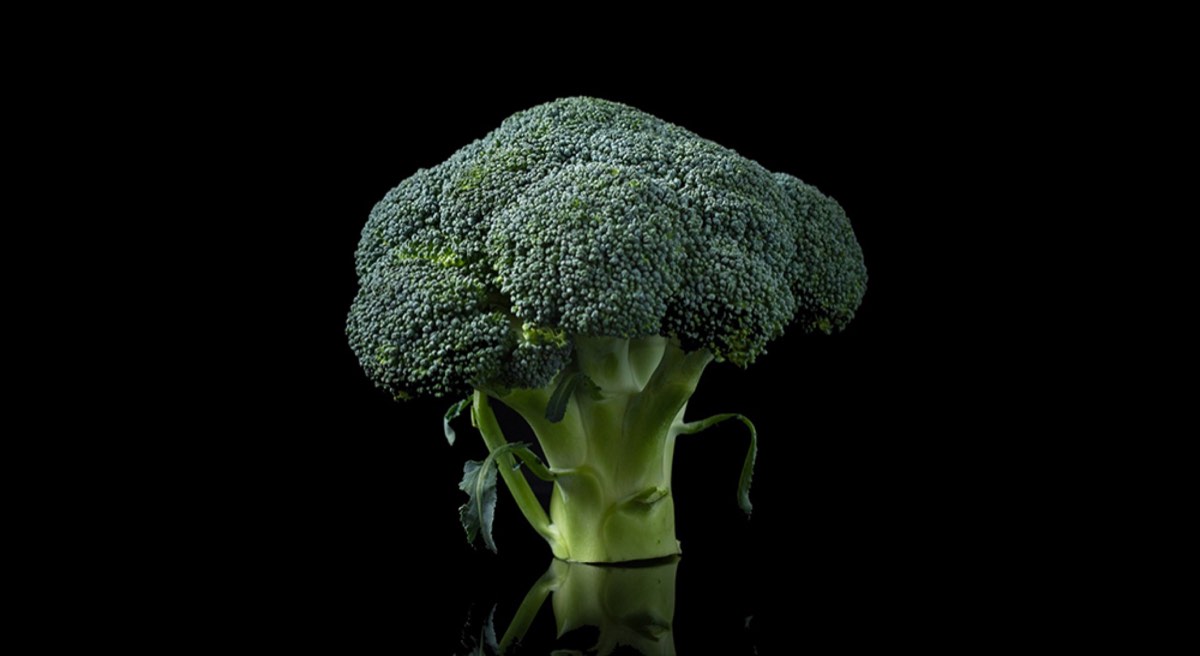
I'm a person who doesn't eat vegetables at all. I really don't like to eat vegetables. (Eh, in conclusion, I don't eat it at all or I don't like it.) That is, I can eat some types of vegetables. But most of the time, if they could choose, they wouldn't eat them even if they were vegetables that they could eat (are you confused? Don't be confused.) But when you grow up, it's time to want to eat vegetables and fruits for health, as the saying goes Eat food as medicine. It's better than taking medicine as food in the future. The security guard then started by trying to eat simple vegetables. Or choose to eat vegetables that you can eat. Personally, I'm a person who likes to eat broccoli. So I try to eat it every time I have a chance. and trying to expand to other vegetables This is considered the starting point for eating vegetables.
The World Health Organization has provided information that If you eat at least 400 grams of fruits and vegetables per day, you will reduce your risk of chronic non-communicable diseases (NCDs). So if we don't start eating some vegetables and fruits We will definitely have to spend money on medical expenses in our lives.
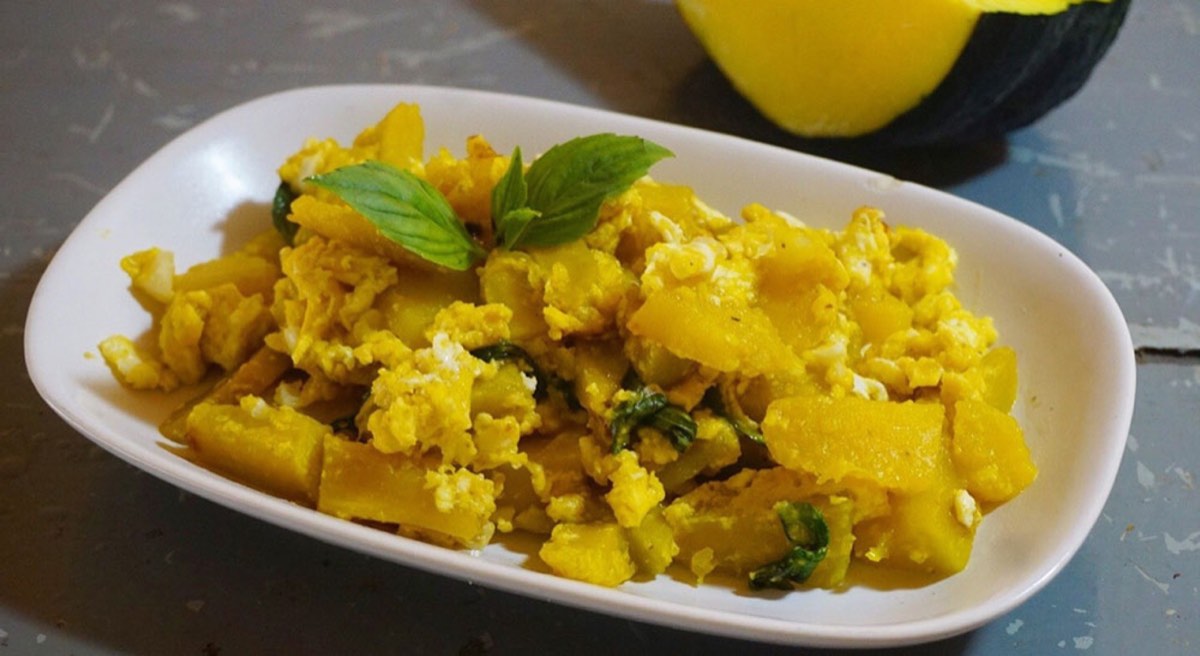
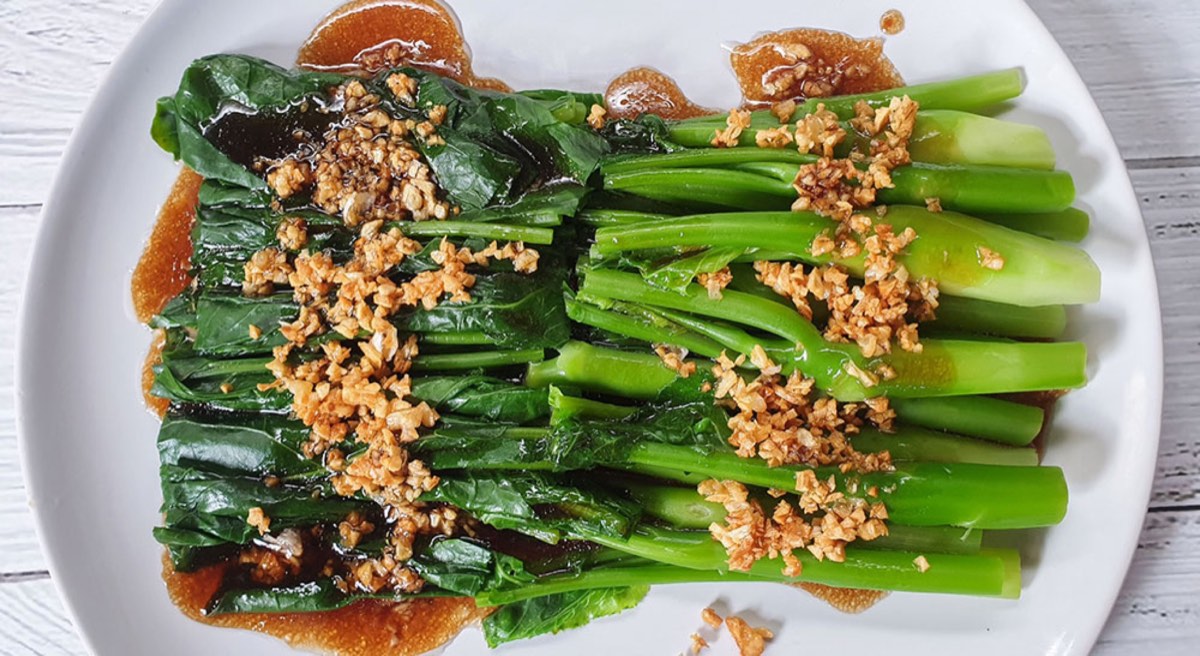
“If you do not like vegetables, begin with familiar fruit. Pumpkin, carrots, or vegetables that are not green can also serve as substitutes at first.” Lecturer Waewta Ekachawana, a therapeutic nutritionist and healthy-food specialist, once avoided vegetables herself. She describes how she began to change: “I started with spring onions, Chinese cabbage, and vegetables that were not very green. Psychology suggests that dark green should not make up more than 20% of a plate or meal; too much green can make people expect a strong smell and an unpleasant taste.”
“After I could eat Chinese cabbage, I moved on to kale and gradually began eating other vegetables. I try to choose Thai vegetables because they are affordable, good, and high in fiber.”
The World Health Organization recommends at least 400 grams of vegetables a day. That amount can sound difficult, but there is no need to feel discouraged or give up.Do not change everything at once; gradually add more vegetables to each meal.For example, if you want to eat fried rice with basil and fried egg, tell the cook to add a few other vegetables. Don't just stick to the basil leaves. If you have yardlong beans Or add corn and it will look a little more colorful. and also increased the amount of vegetables eaten in that meal as well Then gradually Evolving to eating vegetables in large dishes
Talking about the number 400 Grams may sound difficult. Which is actually 400. This gram is the amount you should eat per day, not per meal, so we can average it out. That 400 grams can be spread across different meals. It can also count the amount of fruit eaten during the day.
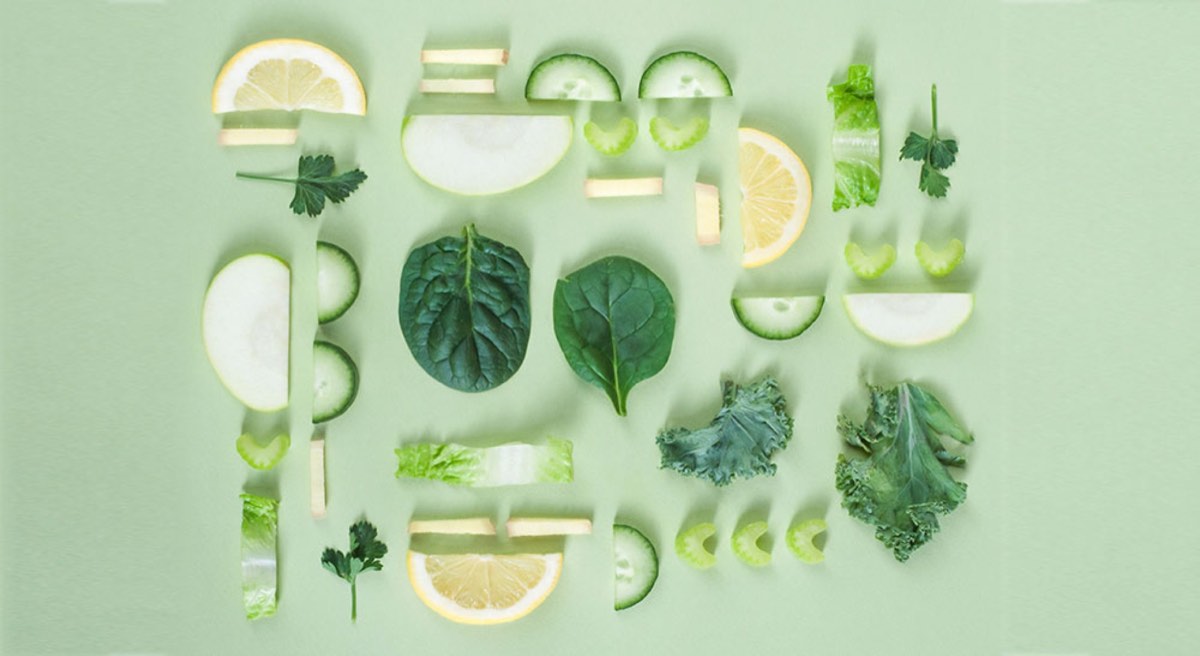
How to start eating 400 grams of vegetables per day
- Carry fruit per day 1-2 Fruits such as bananas, oranges, apples, rose apples, guava instead of cookies or crispy snacks. If you do it regularly, you will get 100 - 150 grams of food in this group at a time, which is the right proportion (3 parts vegetables, 2 parts fruit).
- Have a box of fruit or salad vegetables in the refrigerator, at home or at work instead of chocolate or sweets. It will help us eat more fruits and vegetables.
- Learn to cook for yourself 1 day a week.Choose your favorite vegetables or try new ones. Wash and cook yourself, and we can be confident in their cleanliness and safety.
- Prepare lunch to eat at work. Try to cook a simple meal. that can be prepared at night, such as sandwiches, salads, fried rice, or rice mixed with a simple chili paste
- Prepare fresh vegetables as side dishes for the main dish or boil vegetables to add to noodles. This method can increase the amount of vegetables in each meal as needed.
- Make a fruit and vegetable smoothie by mixing a little fruit juice to help reduce the smell of vegetables. and add more delicious flavor But after blending, you must drink it immediately so as not to lose the value of the enzymes.
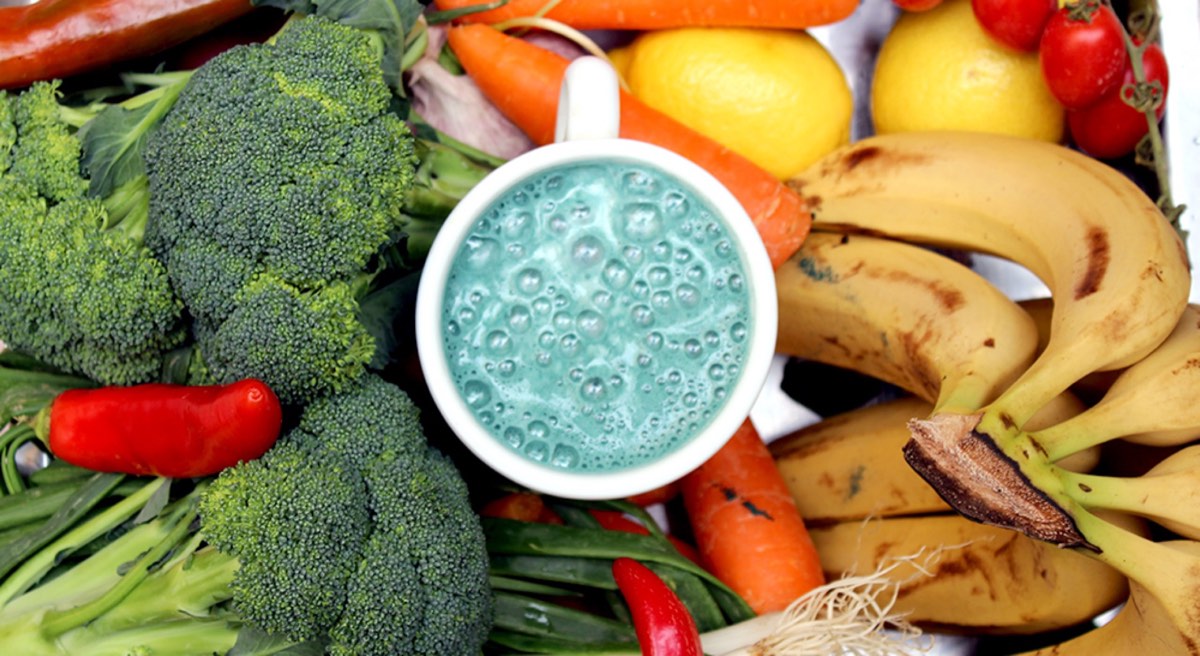
In addition to eating vegetables and fruits regularly, What we eat on a daily basis affects our physical health. Therefore, choosing to eat beneficial foods will result in our body being healthy.
Good food. Be healthy
- Eat natural food with little additives or choose to eat clean food
- Choose brown rice instead of white rice because it has more nutrients.
- Eat fish meat.3-4 times a week because it has quality protein.
- Eat eggs7 eggs a week, focus on boiled eggs, poached eggs, avoid fried eggs and omelet because they contain oil. People with chronic diseases should reduce to 3-4 eggs per week.
- Select protein fromall types of dried beans
- Drink milk, plain or skim milk, 1 box or 1 glass per day to strengthen calcium.
- Emphasis on food that boiled, grilled, salad, chili paste
- Eat food for Complete 5 groups
Good health, not for sale. If you want it, you have to do it yourself. In addition, getting enough sleep is another important factor that should be achieved at least 5-6 hours a day.

The lifestyle of people nowadays relies heavily on eating out. Most of which are spicy food, too sweet, too oily, and too salty. Including fast food, fast food and frozen food. In addition, insufficient physical activity causes Thai people to become more obese and have other diseases. As a result, starting to take care of your own health will have a positive impact in the future.
Summary
Easy method To change from someone who doesn't eat vegetables Not being able to miss vegetables means remembering the saying “Eat food as medicine. It's better than taking medicine as food in the future.” If you don't want to take medicine that is as large as one meal, You should eat vegetables from today for a healthy body.
Illustrations from the internet
Interview by Ajarn Sanga Damaphong, nutrition academic
Ajarn Waewta Ekkanaan, nutritional therapist and health food expert.
Sources
Information updated 24 September 2026.